
Project Evaluation & Studies
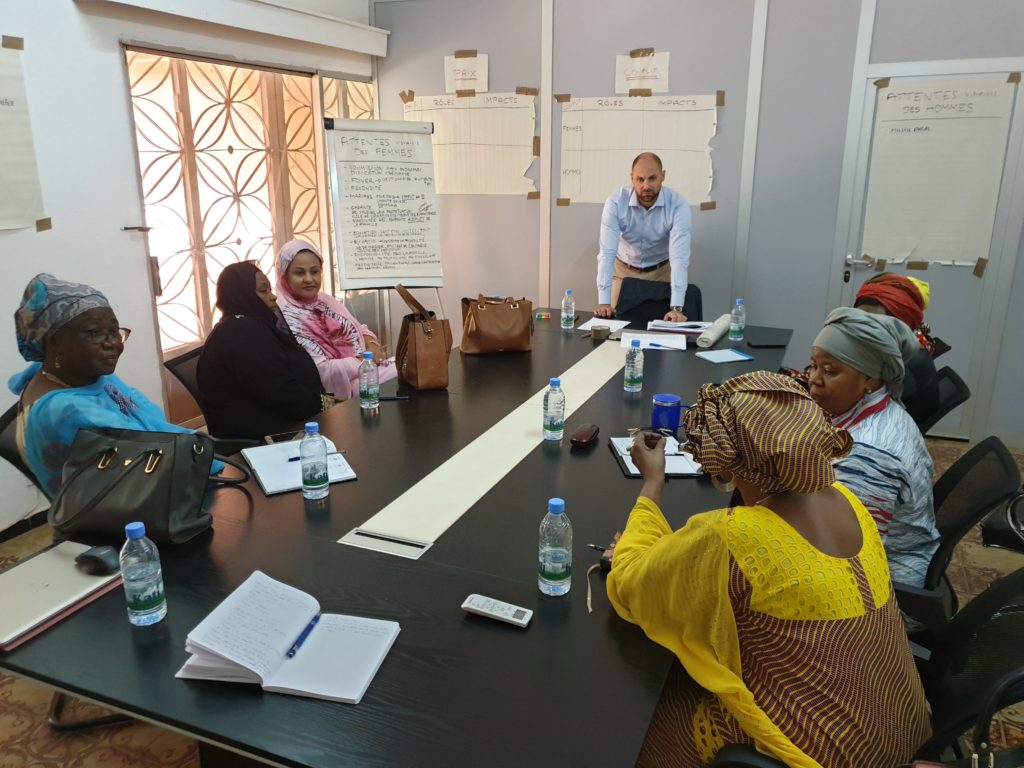
- Independent and rigorous project evaluations
- Balanced assessment of results, implementation processes, and governance arrangements
- Production of clear, prioritized, and actionable recommendations
- Analytical approaches grounded in triangulation and structured stakeholder dialogue
- Systematic integration of cross-cutting issues (gender, governance, climate change
- Strong emphasis on independence, analytical quality, and practical usability
DROPSTONE conducts independent and rigorous project evaluations and analytical studies in line with OECD-DAC evaluation principles, supporting evidence-based decision-making, strategic steering, and institutional learning. Evaluations apply the OECD-DAC evaluation criteria—relevance, coherence, effectiveness, efficiency, impact, and sustainability—to provide a balanced assessment of results, implementation processes, and governance arrangements.
The firm produces clear, prioritized, and directly actionable recommendations to inform project adaptation, future phases, and programmatic and policy-level decision-making. Analyses are grounded in systematic triangulation of quantitative and qualitative data, structured stakeholder engagement, and a contextualized understanding of institutional, political, and operational constraints affecting performance and outcomes.
Throughout its work, DROPSTONE ensures the systematic integration of cross-cutting issues, including gender equality, governance, and climate and environmental considerations, in line with OECD-DAC guidance. Particular attention is paid to independence, analytical rigor, ethical standards, and the usability of findings for donors, governing bodies, and senior decision-makers.
REFERENCES:
Burundi: Development of the Environmental and Social Management Framework in anticipation of the reform of the school system (AFD, 2019)
Central African Republic: Support for political dialogue and the peace process (HD Centre, 2016)
Democratic Republic of Congo: Final Evaluation of the “Citizen Observation” and “Advancing Democratic Governance and Respect for HR” (The Carter Centre, 2021)
Democratic Republic of Congo: Governance of the Extractive Industry (The Carter Centre, 2020)
Lebanon: Mid-term evaluations of the institutional support provided by Swiss Humanitarian Aid to the Bekaa Water Establishment (SDC, 2018 and 2021)
Mali: Evaluation of Quick Impact Projects implemented by the UN in the regions of Timbuktu, Kidal, Menaka, Mopti, Gao (MINUSMA, 2022-23)
Mali: Scoping study for a program to strengthen the protective environment in Mali; institutional building and support to decentralization (SDC, 2021)
Mali: Evaluation of the role of the Independent Observer of the Bamako Peace Process (The Carter Centre, 2019-20)
Mauritania: Socio-political study of the potential for intercommunity conflicts in the border regions of Senegal and Mali (AFD, 2017)
Niger: Evaluation of the mediation programme between pastoral and agricultural communities in the Liptako Gourma (HD Centre, 2017)
Pakistan: Evaluation of the emergency Water and Sanitation Programme in the wake of catastrophic floods of 2010 (SDC, 2013-14)
Senegal: Review of the hydrogeological knowledge of the Mauritanian-Senegalese aquifer basin (Geneva Water Hub, 2019)
Senegal: Support for the negotiation and peace process in Casamance (HD Centre, 2016)
Southern Sudan: Vocational training in Juba (DGVS, 2016)
Tajikistan: Scoping study for a project on groundwater management in the Sughd region (SDC, 2023)
Tunisia: Evaluation then refocusing of the rural drinking water supply programme in the governorate of Kasserine (SDC, 2013)