
Optimizing the Alhamduri Well Field under complex humanitarian conditions
Project Overview
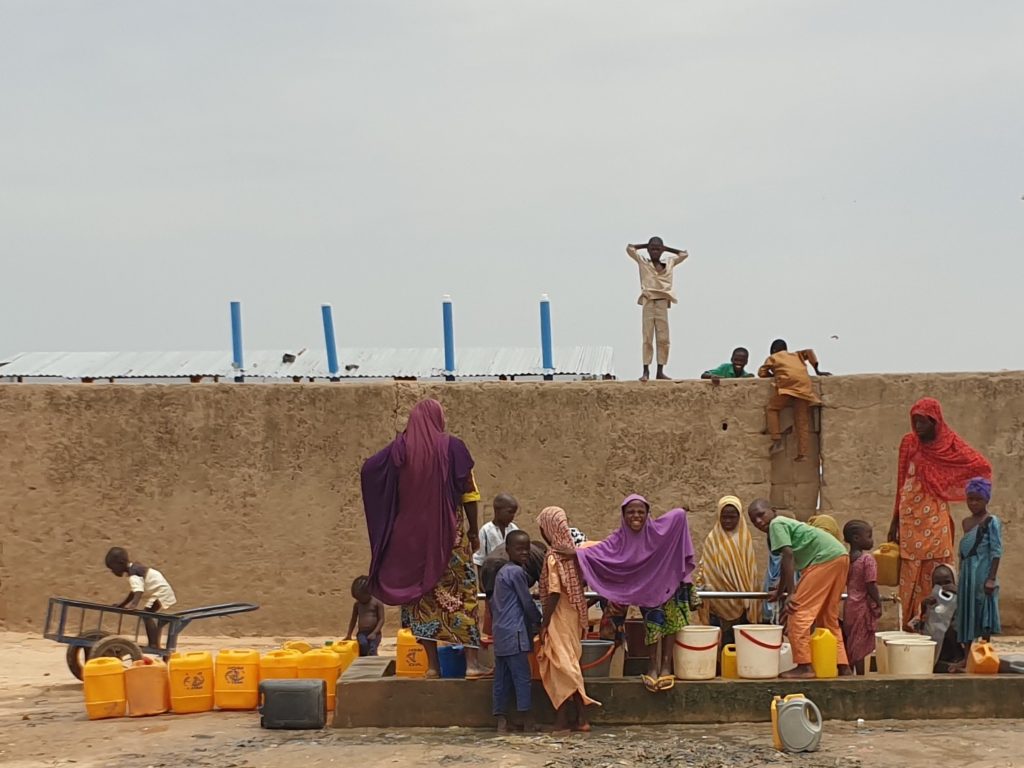
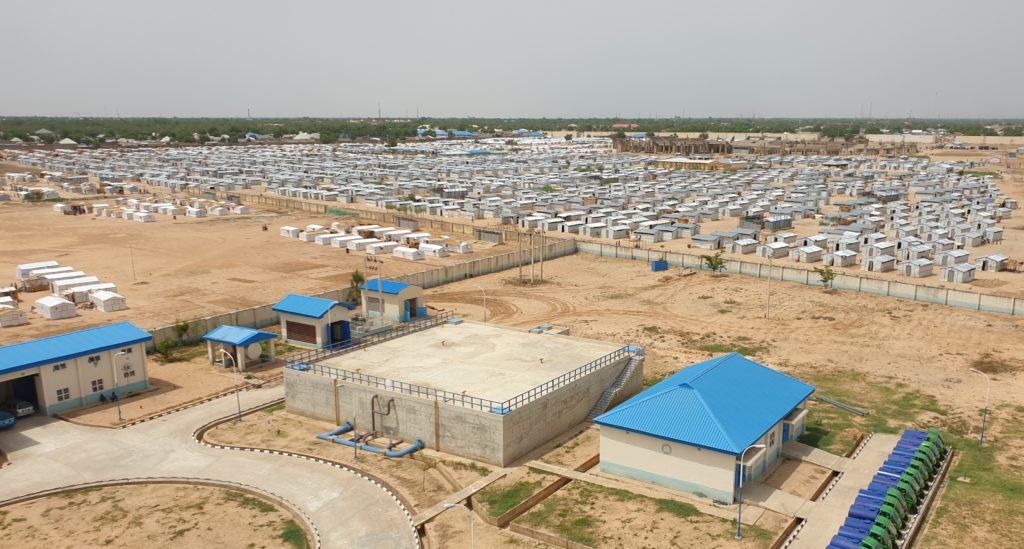
Dropstone was mandated by the International Committee of the Red Cross (ICRC) in 2021 to assess the groundwater production potential of the Alhamduri Well Field (AWF) in Maiduguri, Borno State, Nigeria. The objective was to determine whether the existing groundwater infrastructure could sustainably increase water supply to approximately 160,000 residents, as well as 10,000 internally displaced people who had sought refuge in the city due to the regional conflict involving Boko Haram. With Maiduguri largely isolated from the rest of the country and facing significant security constraints, improving the productivity of the existing ten boreholes was the most realistic short-term solution.
The Challenge
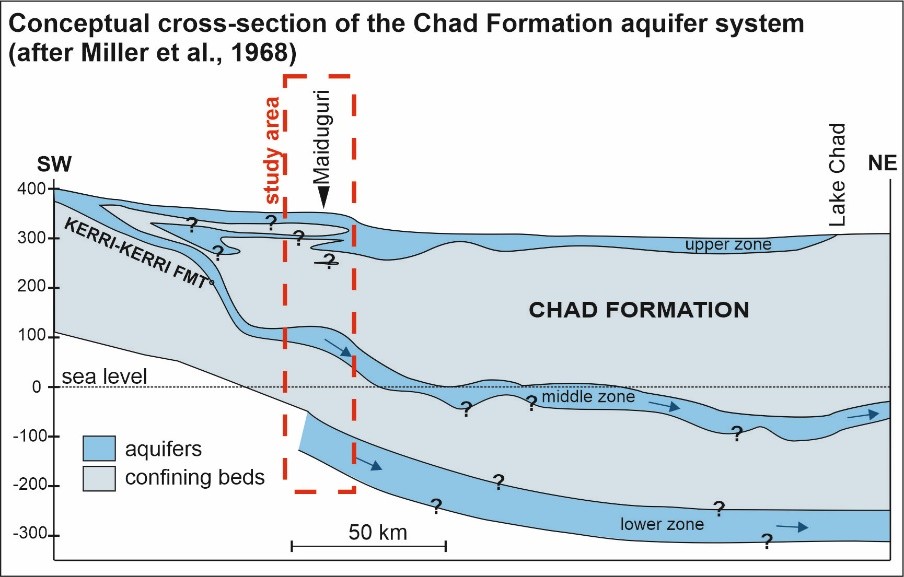
The Alhamduri Well Field taps into a complex aquifer system within the Chad Formation, a sedimentary sequence linked to the former extension of Lake Chad. The hydrogeological model of the area consists of three sandy aquifers separated by clay and shale layers acting as aquitards. This layered structure makes groundwater abstraction more complex, as each borehole may interact with different hydraulic horizons. Determining sustainable abstraction rates therefore required careful testing and interpretation.
Our Approach
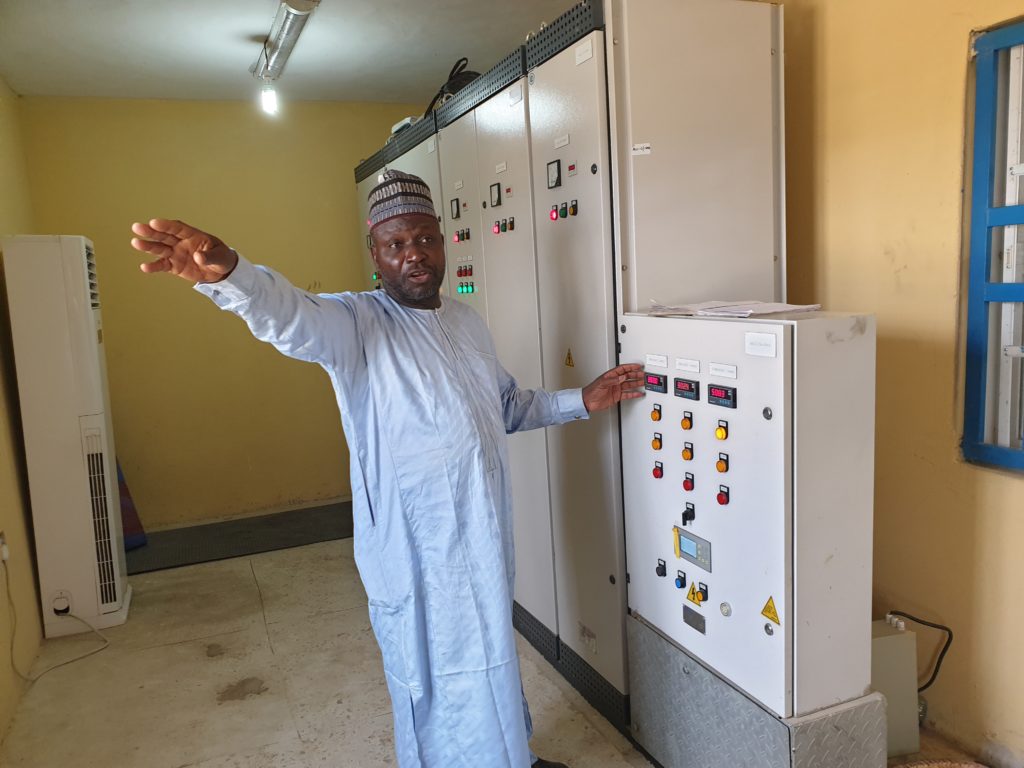
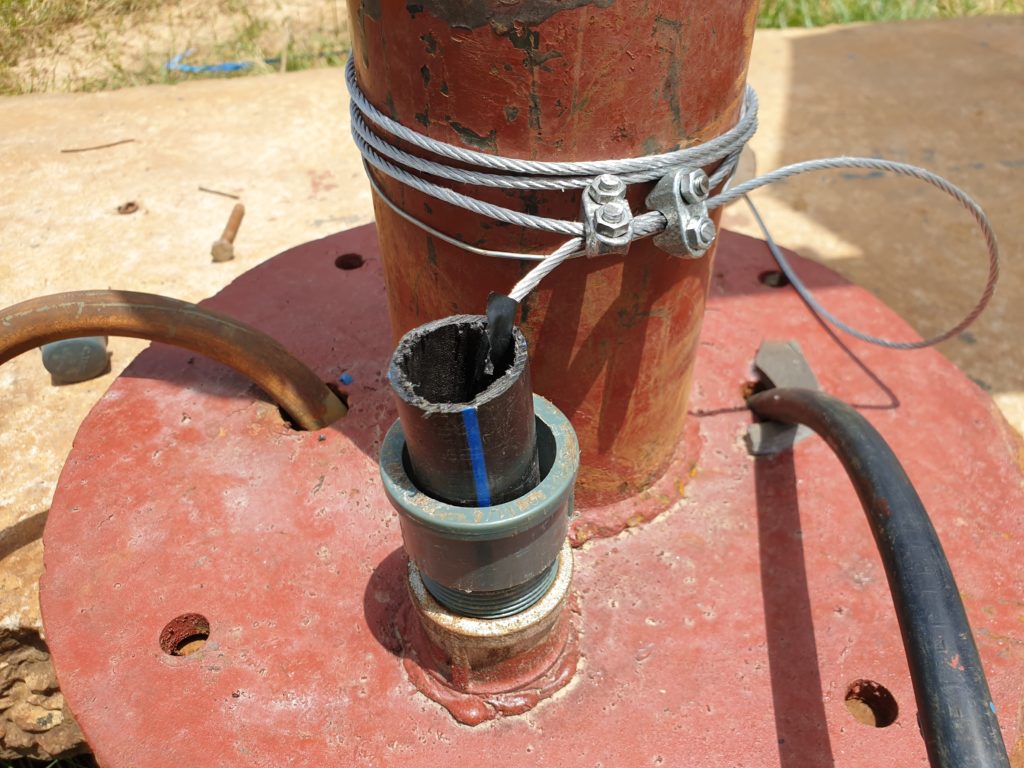
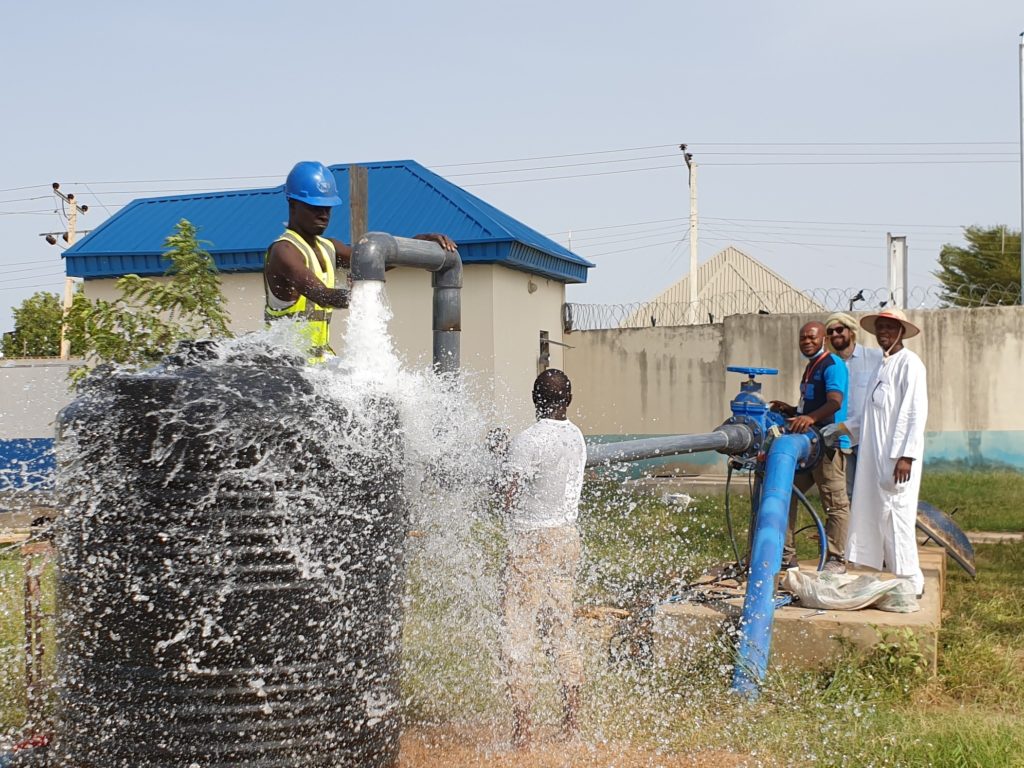
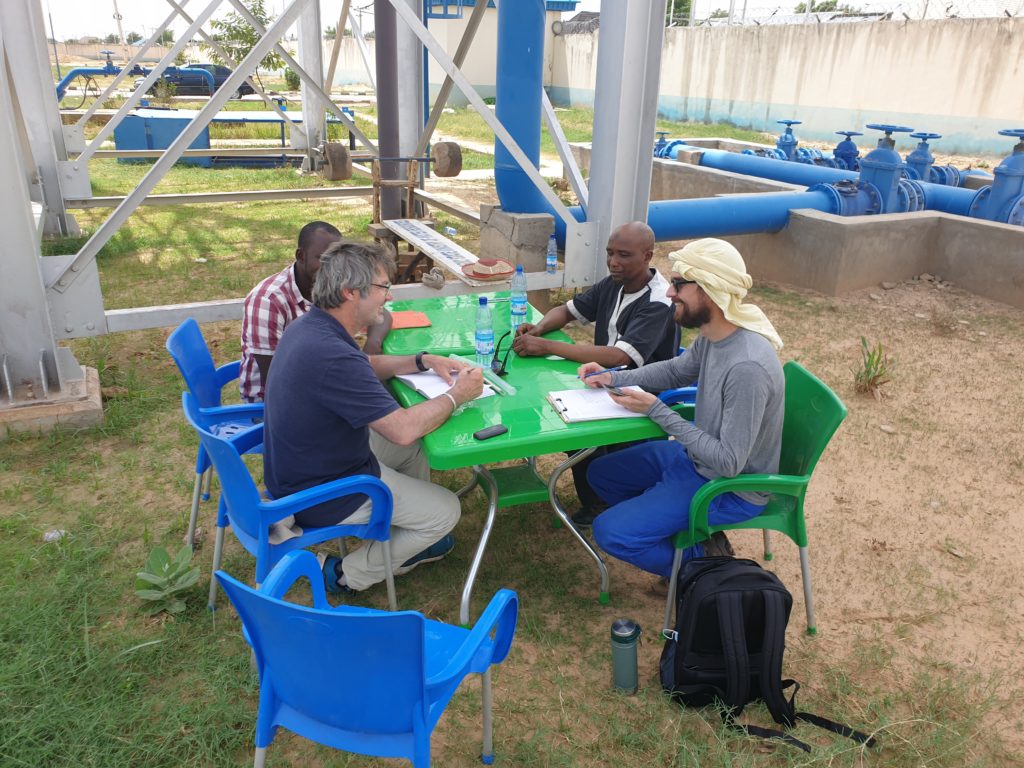
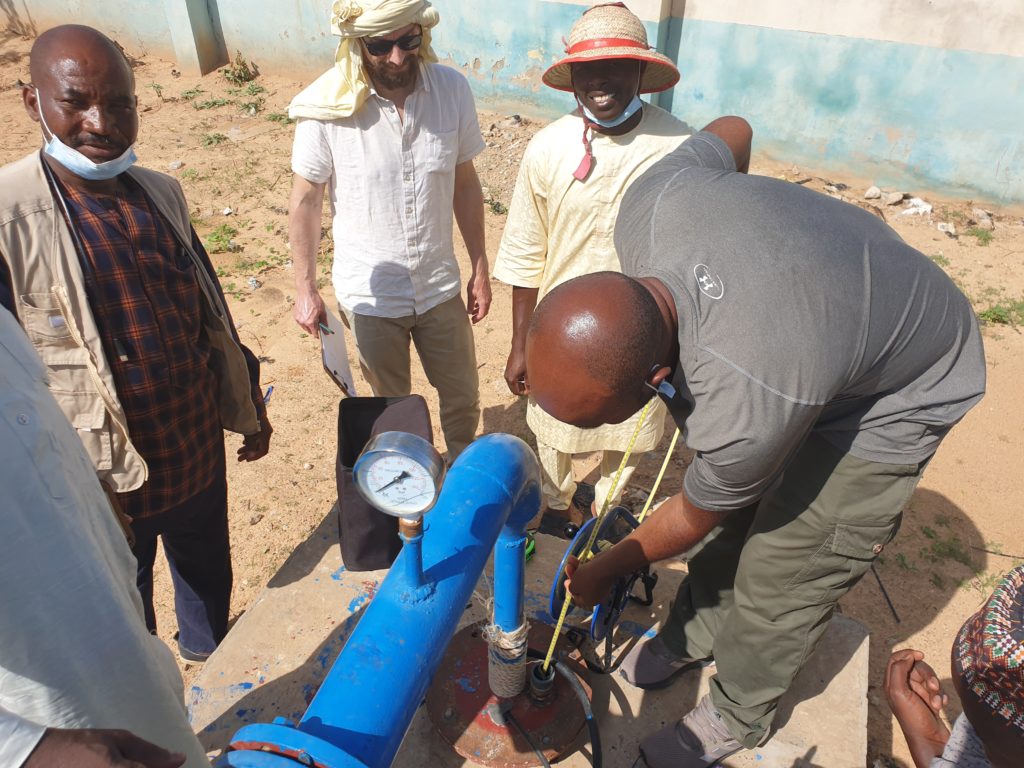
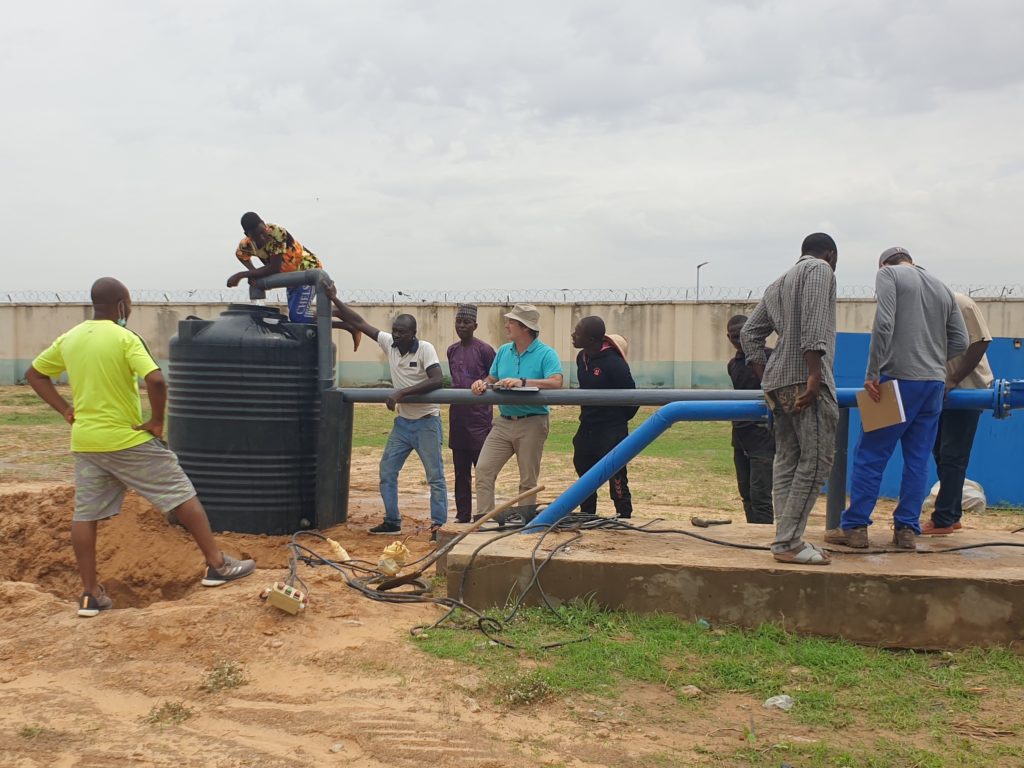
Dropstone’s mission focused on determining the maximum sustainable pumping rates for each borehole and optimizing the operational efficiency of the well field. Three weeks of on-site work were conducted during the month of June 2021 to evaluate the condition and productivity of the boreholes. A tailor-made pumping test methodology adapted to the field conditions was developed, including step-drawdown tests to assess well performance and long-duration pumping tests to evaluate aquifer response.
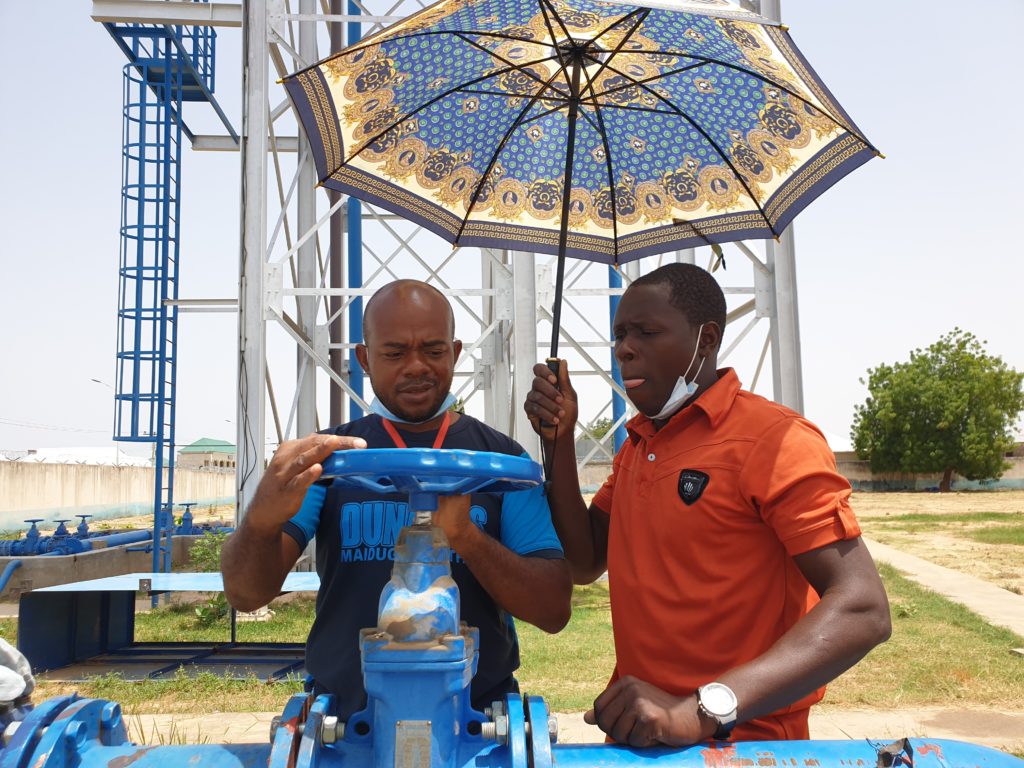
Dropstone produced a practical manual for pumping test implementation, designed specifically for the operational realities of the site. Engineers from the ICRC Water and Habitat (WatHab) team were trained to conduct the tests. After the initial campaign on the most critical boreholes, the ICRC team continued the testing program with remote supervision and technical support from Dropstone specialists.
Results and Impact
Pumping tests continued until September 2021, progressively improving the understanding of the aquifer system and the performance of individual boreholes. The study enabled:
- Identification of safe and sustainable groundwater abstraction rates
- Improved operational efficiency of the well field
- Better understanding of the hydrogeological behavior of the aquifer system
- Strengthened technical capacity within the ICRC engineering team
By optimizing the use of existing infrastructure, the project contributed to increasing the resilience of Maiduguri’s water supply system and improving access to water for thousands of residents and displaced people living in a fragile humanitarian context.