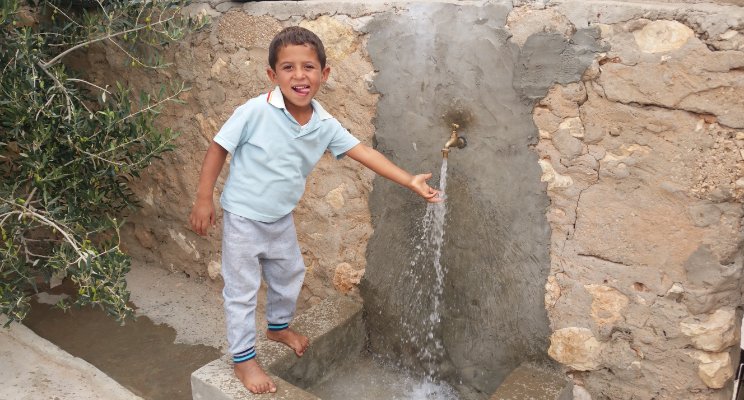
Every morning in the village of Ouled Ahmed, in Tunisia’s Kasserine Governorate, clean drinking water now flows directly into family homes. For one young boy, it means something simple yet transformative: turning on a tap and drinking safe water without fear. What was once a daily struggle has become a quiet certainty, reshaping everyday life in this rural, drought-prone region.
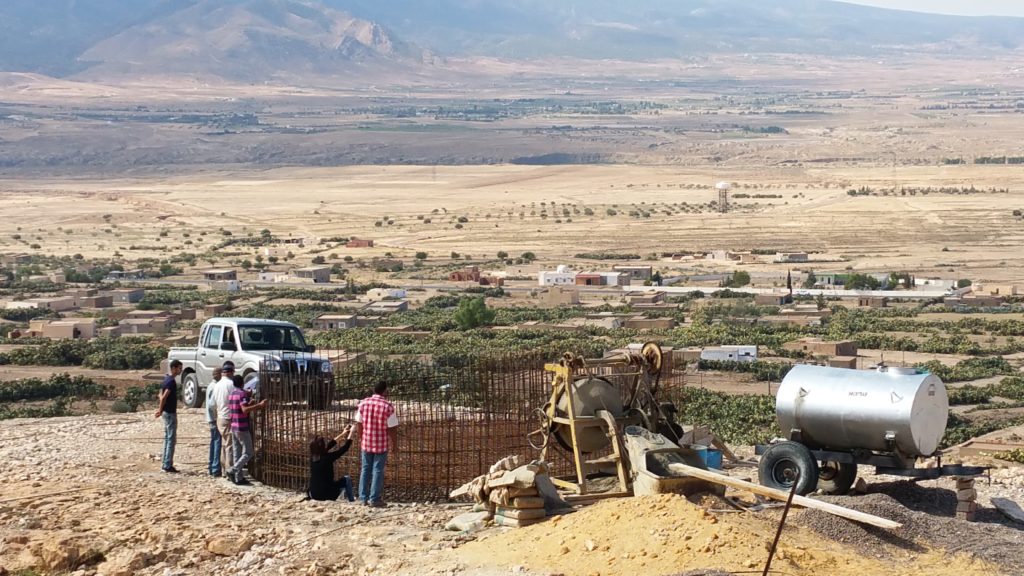
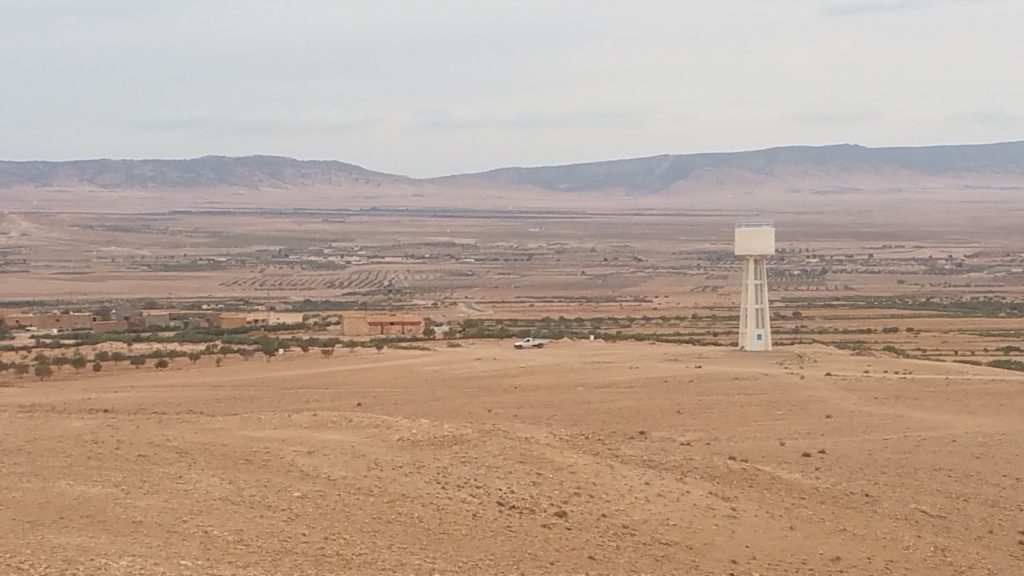
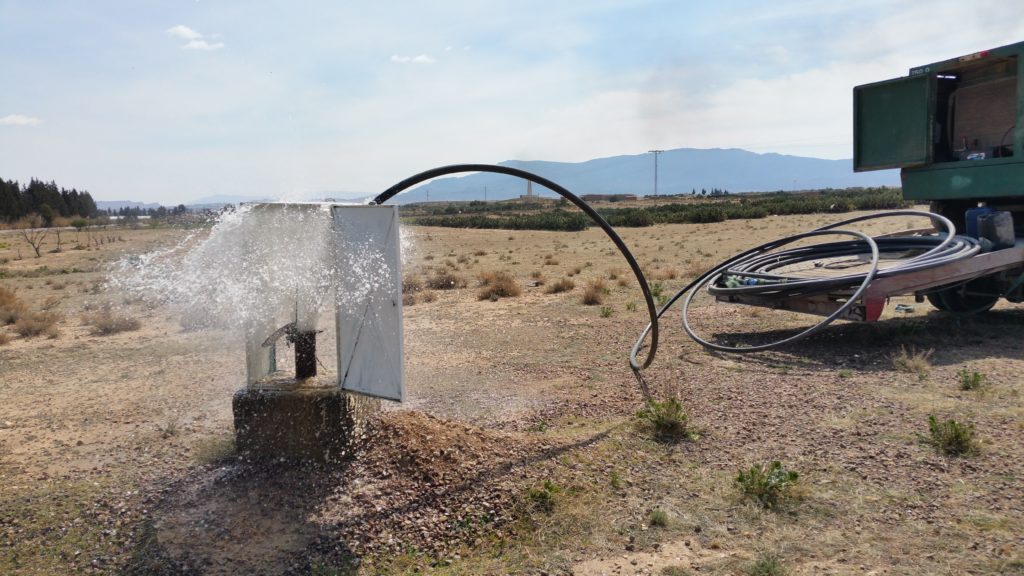
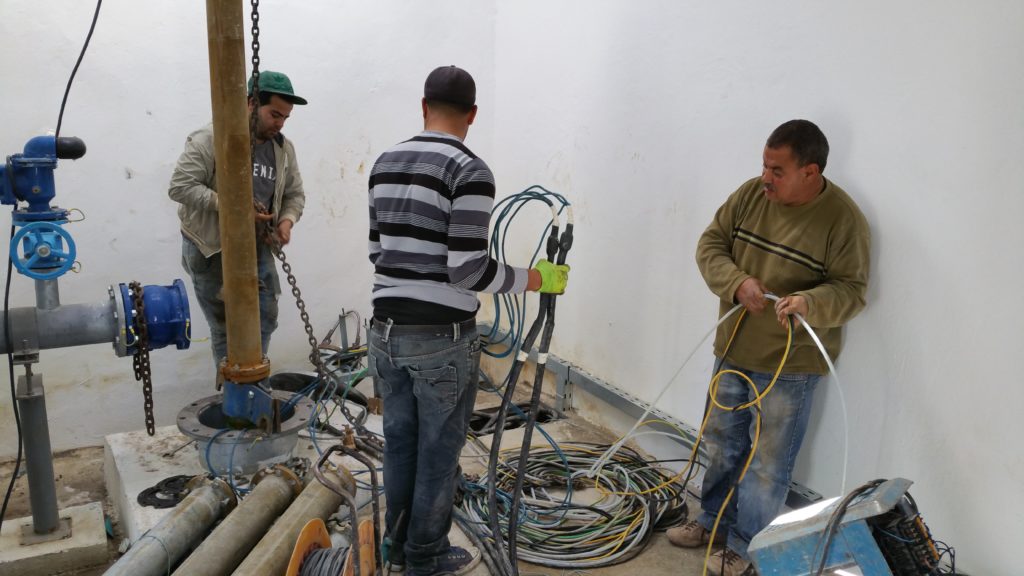
This change is made possible by the rehabilitation of the village’s water supply system and the construction of a new elevated water tank. Standing above the village, the tank uses gravity to distribute water reliably to 270 families. In a region where the climate is harsh and rainfall scarce, such infrastructure is vital. Just as important is the careful management of underground water resources, ensuring that this precious supply is monitored, protected, and used sustainably for generations to come.
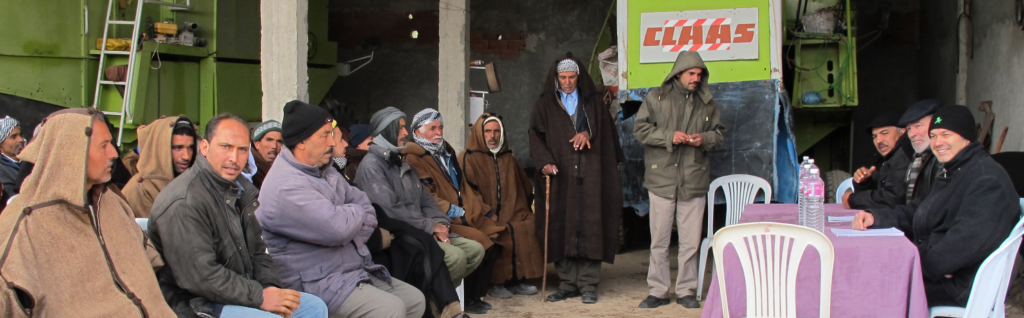
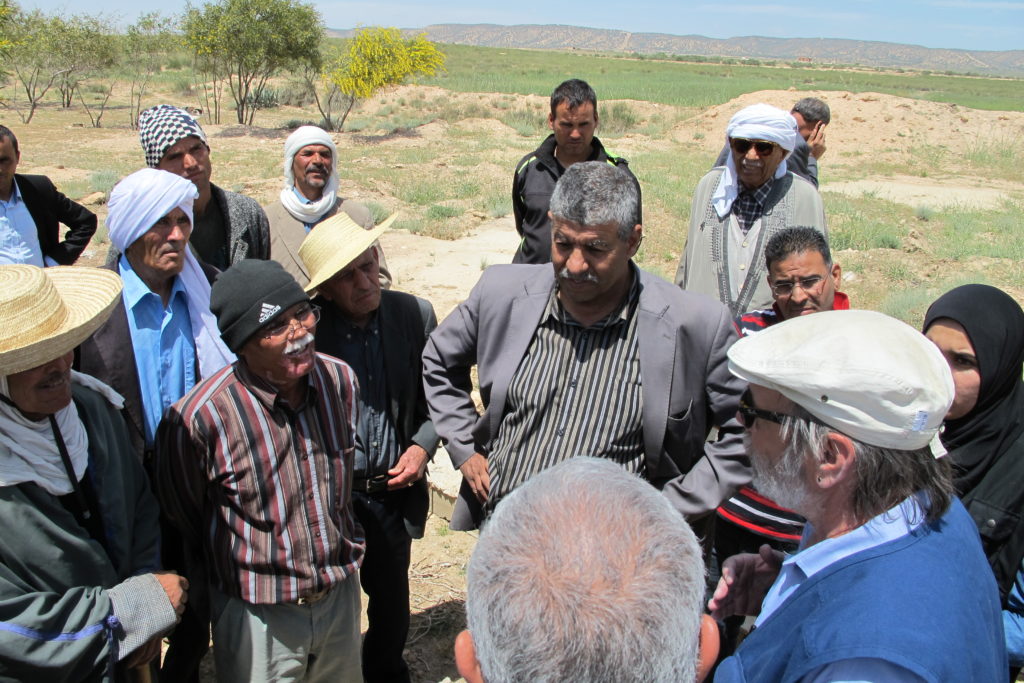
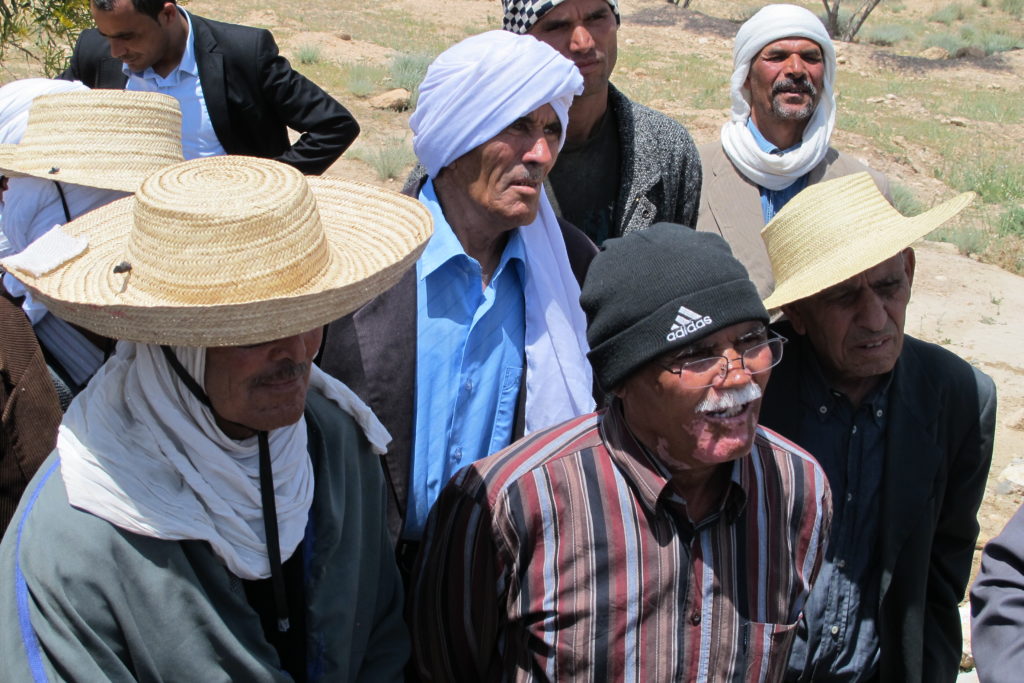
Yet the project goes beyond pipes and tanks. Water in Ouled Ahmed is a shared and limited resource, used both by villagers for domestic needs and by farmers for irrigation. To prevent tensions and ensure fair access, community participation was placed at the heart of the initiative. Villagers were closely involved in discussions on water use, governance, and long-term maintenance. With the support of a dedicated social mobilization team, the community organized itself into a water management committee, responsible for overseeing distribution, setting user contributions, and safeguarding the system over time.
Implemented by the Government of Tunisia with the support of Swiss Development Cooperation, the project shows how sustainable water solutions are built not only through infrastructure, but through trust, dialogue, and shared responsibility. In Ouled Ahmed, clean water is no longer just delivered—it is collectively protected, valued, and sustained by the community itself.